
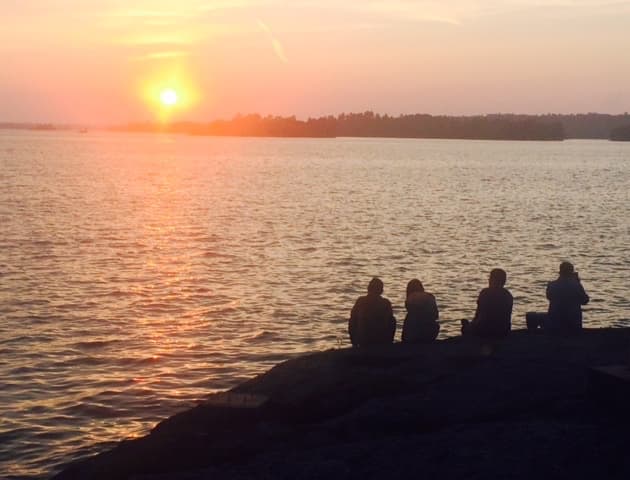
Freshwater fishing is one of the easiest ways to start fishing—and one of the most enjoyable. You don’t need a boat or expensive gear, and there’s no need to travel far. Lakes, rivers and streams across North America offer easy access, peaceful scenery and plenty of fish.
These freshwater fishing tips for beginners help you understand why this type of fishing is so approachable. Freshwater spots are easy to reach and gear costs far less than saltwater setups. Species like bass, walleye, panfish and perch are active, beginner-friendly fish that reward patience and simple techniques.
Freshwater fishing is also a relaxing outdoor activity that fits any pace. Families, small groups, and solo anglers alike can enjoy the calm of open water, the early stillness of morning, and the simple reward of reeling in both fish and lasting memories. Whether you’re learning the basics or planning your first trip to a place like Duck Bay Lodge, these freshwater fishing tips will help you start strong and enjoy every cast.
Getting Started with the Basics
Before you chase a record catch, it pays to learn the foundation. Great anglers know that preparation and patience are what turn a casual day on the lake into something unforgettable.
Know the Rules Before You Cast
Every lake has its own rhythm—and its own regulations. Always secure the proper fishing license and check local limits on size and species. In Ontario, those rules protect the balance that makes freshwater lakes like Lake of the Woods so abundant. Across Ontario’s lake country, renowned for some of the most abundant freshwater fishing in North America, lodges and outfitters, including Duck Bay Lodge, help visitors handle licensing so they can focus on the water, not the paperwork.
Gear Up with Intention
You don’t need a complicated setup to catch big fish. Start with a medium-action spinning rod, a balanced reel and eight-pound test line—strong enough for most freshwater species. Add hooks, sinkers, bobbers and a mix of live bait or simple lures.
Lake of the Woods is one of the best places to learn the art of freshwater fishing. Its rich waters reward even simple setups with impressive catches. On a good day, you might reel in a 20-inch walleye, a 35-inch northern pike or, with some luck and a strong arm, a muskie that pushes 50 inches. That’s part of the magic—this is one of the few places where beginners genuinely have a chance at a trophy fish.
Safety and Respect on the Water
Even calm water deserves respect. Always wear a life jacket, check your gear before heading out, and keep an eye on shifting weather. If you’re exploring without a guide, plan your route ahead, tell someone where you’ll be, and stay within sight of shore until you’re familiar with the area.
Wind and weather can change fast on large lakes like Lake of the Woods, so watch for dark clouds, sudden gusts or dropping temperatures—all signs it’s time to head in. When in doubt, move toward sheltered coves or protected bays until the water settles.
If you are fishing with a guide, let their experience lead the way. They’ll know how to navigate safely and spot those hidden fishing zones that reward patience and awareness.
Learn to Wait
Some days, the fish bite fast. Other days, the lake makes you earn it. Either way, the waiting is part of the experience—the slow pull of current, the steady hum of the motor, the sound of a loon cutting across the water. Patience isn’t just a virtue in fishing; it’s the whole point.
10 Freshwater Fishing Tips Every Beginner Should Know
The best anglers aren’t lucky. They’re observant. These freshwater fishing 101 tips will help you sharpen your instincts while enjoying every minute on the lake.
- Start with the Right Fish
Bass, walleye, pike and panfish are ideal for beginners. They’re active, plentiful and fight just enough to make the catch satisfying. On Lake of the Woods, you’ll find all four—plus the occasional muskie to keep you humble.
If you’re fishing locally, start with what’s common in your region. Check a nearby bait shop or conservation site to see what species are in season. Panfish like bluegill or crappie are perfect first catches—easy to find, eager to bite, and great for learning the feel of a strike.
- Fish the Right Waters
Fish like structure: weed lines, rock shelves, submerged logs, bridge pilings. Early and late in the day, they move into shallows to feed, then return to deeper, cooler water when the sun rises.
If you’re fishing from shore, cast near edges—where shade, weeds and open water meet.
From a boat, use your depth finder or polarized sunglasses to locate transitions in the bottom. Fish gravitate toward these boundaries because they offer cover and food.
At Duck Bay Lodge, experienced guides track these seasonal movements across the lake, turning ordinary outings into days you’ll never forget.
- Master the Cast
Casting isn’t about force—it’s about rhythm and control. Let the rod load on the back swing, release smoothly, and aim for a quiet entry. That soft plunk on the surface is your sign you’re doing it right.
Practice in open water or a backyard before heading out. Accuracy matters more than distance; landing near cover without snagging it takes touch, not strength.
- Match Your Bait
Walleye love live minnows or leeches. Smallmouth bass chase spinners and crankbaits. Pike strike at anything that moves.
Wherever you fish, try to imitate what’s naturally in the water. Worms, minnows or soft plastics in realistic colors are safe bets. If you’re unsure, ask locals what’s biting–it’s what makes the difference. Don’t just buy the flashiest lure.
- Watch the Weather
The best anglers pay attention to wind, light and pressure as much as their lines. Overcast days, gentle breezes and steady barometric pressure usually mean more active fish. Bright, calm afternoons often call for slower retrieves or deeper presentations.
A small wind ripple can help disguise your line, while incoming fronts can stir up feeding frenzies. Keep a simple weather app handy. Nature often tells you when it’s time to cast or call it a day.
- Stay Quiet
Sound and vibration travel fast through water. Move lightly, close cooler lids softly, and avoid dropping tackle on the boat floor. If you’re fishing from shore, keep footsteps gentle and voices low, especially in shallow areas where fish can spook easily.
Stillness helps you notice more, the tap of a bite, the swirl of a surface rise, the subtle pull that tells you it’s time to set the hook.
- Keep It Simple
A few dependable lures and a small tackle box go a long way. Learn how each lure behaves–a jig bounces, a spinner flashes, a crankbait dives—and when to use them. For beginners, versatility beats variety. You’ll spend more time fishing and less time changing setups.
Confidence in simple gear will take you further than a pile of untested options. For most people starting out in freshwater fishing, a spinning rod and reel combo about 6-7 feet long, rated for medium power, gives the best mix of ease and capability.
- Catch, Care, Release
Handle every fish with wet hands to protect its slime coat, unhook gently and release quickly if you’re not keeping it. If you do plan to keep fish for dinner, follow local limits and learn proper cleaning techniques.
A small pair of pliers, a net and a basic understanding of fish handling can make the difference between a stressful release and a smooth one.
- Learn from Experience
Every lake has its lessons. If you’re new, tag along with a friend who fishes regularly or spend time watching locals at public piers. Notice where and how they cast and ask questions—most anglers are happy to share advice.
At Duck Bay Lodge, professional guides do the same, teaching everything from lure choice to reading underwater structure. Whether you’re fishing with a pro or learning on your own, every trip adds something new to your skill set.
- Take It All In
There’s a moment on every trip—the line taut, the reel humming, the lake spreading wide—when you understand why people fall in love with this sport.
The catch matters, but so does the calm. Fishing connects patience, curiosity and nature in a way few hobbies do. Whether you’re standing on a quiet dock or drifting over deep water, that mix of focus and peace is what keeps people coming back.
5 Tips for Avoiding Common Mistakes
Even the most enthusiastic beginners can trip over simple errors. Knowing what to avoid helps you spend less time fixing problems and more time enjoying the water.
- Using the Wrong Hook Size or Bait
One of the most common mistakes is pairing the wrong hook or bait with your target fish. Oversized hooks can scare off smaller fish, while tiny hooks may not hold larger species. Research your target fish and adjust accordingly—or better yet, ask a local guide for advice.
- Overcomplicating Your Gear
Many newcomers load up on too many lures, weights and rigs before learning what works best. Simplify your setup to a few trusted options. A clear, organized tackle box saves time and frustration when you’re on the water.
- Ignoring Local Regulations
Fishing without the right license or exceeding catch limits can lead to fines or worse, damage delicate fish populations. Always check local rules before you start and be aware that limits may vary by species or season.
- Losing Patience Too Quickly
Fishing is equal parts skill and mindset. Expect slow periods and embrace them. The stillness between bites often becomes the most relaxing part of the day. Every cast is practice for the next and persistence usually pays off.
- Forgetting That Every Trip Is a Lesson
Beginners sometimes measure success only by the number or size of their catches. In truth, the most rewarding progress happens quietly: learning to read the water, handle your gear and anticipate movement. Each outing adds another piece to your understanding of the lake.
Plan Your Freshwater Fishing Adventure at Duck Bay Lodge
The best way to turn freshwater fishing 101 into an unforgettable experience is to learn in the right environment. Duck Bay Lodge combines professional guidance with the comfort of a world-class resort—a perfect match for beginners who want to relax while learning.
To understand why so many anglers get hooked for life, look north to Lake of the Woods—a legendary stretch of water straddling Ontario, Manitoba and Minnesota. With more than 14,000 islands and roughly 65,000 miles of shoreline, it’s one of Canada’s premier freshwater fishing destinations.
Here, the lake teems with trophy walleye, northern pike, muskie, smallmouth and largemouth bass and even crappie and lake trout. It’s the kind of place where beginners can learn the basics and still have a real shot at something big.
In its southeast corner sits Hay Island, home to Duck Bay Lodge—a family-run, all-inclusive resort known for quiet comfort and guided fishing done right. Guests reach it by floatplane or boat, stepping into an anglers dream that feels worlds away.
Duck Bay Lodge’s fishing guides know every island, channel and hidden bay on Lake of the Woods. They offer patient instruction and insider knowledge that only comes from years on the water. Whether you’re chasing your first walleye or your first trophy muskie, you’ll fish with confidence and expert support.
Unlike many lodges that charge extra for upgrades, Duck Bay Lodge includes high-quality boats, motors and fuel in every boat package. Guests can use equipment as often as they wish or bring their own—each cottage comes with a private docking slip for convenience. With a 26-guest capacity, every stay feels exclusive and personal.
Even if you’re not on the water, there’s plenty to enjoy. Between guided trips, guests unwind with home-cooked meals, quiet evenings on the dock and resort amenities that balance rustic charm with modern comfort. It’s a place where you can swap stories, stargaze or simply watch the sunset ripple across the lake.
From May through September, Duck Bay Lodge offers the chance to reconnect—with nature, with friends and with yourself. The staff’s warmth and professionalism turn every trip into a memory worth keeping. You’ll leave not just with photos of your catch, but with stories you’ll tell for years.
To start planning your adventure, explore freshwater fishing at Duck Bay Lodge and see fishing memories from past guests. Whether it’s your first cast or your fiftieth, Lake of the Woods will remind you why anglers fall in love with freshwater fishing—and why they keep coming back.