Becoming a fishing guide is one of the few careers that allows you to turn a lifelong passion for water, weather and wild places into a full-time profession serving guests. Many anglers wonder how to become a fishing guide, but underestimate how much work happens beyond catching fish.
Guiding blends factors such as technical fishing expertise, boating skills and local knowledge with hospitality, leadership and business savvy. It is a combination of being a teacher, safety officer, boat captain and host. A guide may have to coach a beginner through their first walleye or help a seasoned angler refine advanced fishing techniques. Later that day, you may have to change focus to prepare lunch and maintain equipment for the next fishing trip.
Successful fishing guides also learn how to read people by adjusting instruction style, pace and expectations so every guest feels safe, confident and excited on the water. At top operations like a Lake of the Woods Fishing Resort, we weave that guest-focused mindset into everything from the dock to the dining room. If the idea of spending long days on lakes, rivers or the Great Lakes while helping others catch more fish appeals to you, guiding may be the outdoor career you are looking for.
What Does a Fishing Guide Do?
A fishing guide’s primary job is to plan and execute safe, productive days on the water. They should match each guest’s goals and skill level. Guides also choose locations, instruct, position the boat and adapt to changing conditions so clients can focus on enjoying the fishing activity instead of worrying about logistics. The guide scouts, monitors the weather and tracks fish movements. He or she also manages time, so each guest gets the most from their guided fishing experience.
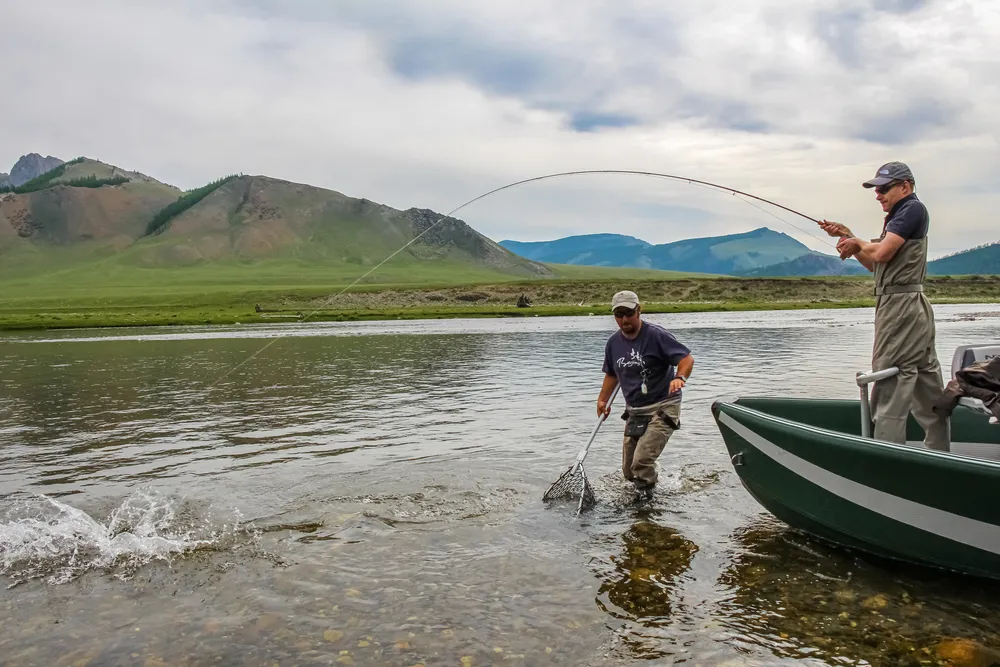
In addition to finding and catching fish, guiding is a hospitality role. Excellent guides communicate clearly, stay patient with beginners and remain calm when conditions get tough. Guests need help with knots, casting and netting. The guide also cleans and packages fish and prepares shore lunches.
Duck Bay Lodge sets a high standard for guest service. Guides not only run boats but also support dock work, help around the property and contribute to the overall guest atmosphere. That combination of technical angling skill and guest-first service is what makes guiding a unique outdoor career rather than just “going fishing for a living.”
Requirements: Licensing, Training and Safety Skills
Before you start charging clients, you must understand local fishing license rules and broader maritime regulations. Some regions may require an actual fishing guide license or a general guide license in addition to a personal angling permit, especially if you’re providing a professional guide service.
If you operate a vessel carrying passengers for hire on navigable waters in the United States, you need a U.S. Coast Guard-issued Merchant Mariner Credential, such as the OUPV “six-pack” or Master captain’s license, which authorizes you to run a fishing charter with paying clients.
In Canada, you must comply with commercial requirements and operator requirements issued by Transport Canada and any additional municipal or provincial business and permit rules.
Technical and safety training is also imperative. Guides must maintain current first aid and CPR certifications and, when running powerboats, hold appropriate boating or operator cards required in their jurisdiction.
On big water, such as Lake Erie, the weather can shift quickly. The ability to read forecasts, recognize hazards and handle rough-water boat control is critical.
Many professionals also pursue advanced courses such as wilderness first responder training or conservation and fishery management programs at a guide school, which strengthen both risk management and resource stewardship. Completing this kind of training and aligning with operations that offer guided fishing charters helps position you as a safe and reliable professional.
Building Real Fishing Expertise
To guide professionally, you need competence with multiple fishing techniques and species. Most freshwater guides master jigging, trolling and casting for species like walleye, northern pike, smallmouth bass, muskie and trout. Some guides choose to cross-train in fly fishing and fly fishing guide methods when they take clients on rivers or if clients specifically ask for it.
Learning to present lures or flies at the correct depth, speed and angle, and to adjust quickly when fish change mood or location, is what separates a casual angler from a successful fishing guide.
Species knowledge is another imperative layer. For example, Walleye often prefer subtle breaks and current edges, pike and muskie patrol weedlines and rock points, and bass use boulders, docks and mid-lake humps in different ways throughout the season.
Understanding seasonal movements, including spring shallows, summer structure and fall transitions, allows a guide to anticipate where fish will be rather than simply reacting when a bite dries up.
Professional guides spend countless hours learning local routes, hazards and patterns on their home waters, including big-water environments such as Lake Erie or the broader Great Lakes basin. Modern electronics, including sonar and GPS mapping, accelerate that learning, but time on the water is still irreplaceable.
How to Gain Experience
For most people who want to know how to become a fishing guide, the fastest way is to work with experienced fishing guides or at a reputable lodge or outfitter. Assisting senior guides as a deckhand or second boat allows you to observe how they run their day, from pre-trip planning to end-of-day fish cleaning. You see real-time decisions about when to change techniques or shift locations, and you learn client-management skills that are hard to pick up if you don’t have a mentor.
Working at a fishing lodge can be especially valuable because it provides structured experience and access to seasoned professionals. At Lake of the Woods Fishing Resort, for example, guides work within a proven system which helps new staff focus on developing guiding skills. Many lodges promote employment opportunities at a fishing lodge, giving aspiring guides an entry point into the industry even if they are still refining their expertise.
What It’s Like to Guide at a Lodge
Guiding at a lodge is a combination of routine and unpredictability. Most days start early with preparing the boat: Fueling, checking safety gear, organizing tackle and confirming that the vessel is ready for the conditions and the day’s guests.
Once your clients arrive, guides help them aboard, give safety briefings and head out to planned spots. They adjust locations throughout the day based on wind, clarity and fish response. Once you get back to the dock, a guide cleans fish, maintains gear and takes care of dock duties before planning the next day.
Success means excellent communication skills and attitude. The best guides explain what they are doing and why and maintain patience whether a guest is learning to cast or struggling to land their first fish.
Lodges that focus on fishing memories and guest experiences expect guides to be positive ambassadors for the operation on and off the water. Over time, guiding with a lodge builds professional confidence in areas such as handling different weather, personalities and bite conditions season after season. Lodges prepare guides for long-term roles in the outdoor industry, from senior guide positions to management or even owning a small guide service.
Tips for Long-Term Success as a Fishing Guide
Longevity in guiding depends on a lot more than being good at catching fish. Professionals maintain and upgrade their skills, stay current on new lures, electronics and boat-control tactics and learn about conservation, regulation changes and safety best practices.
Regularly servicing engines, electronics and safety equipment ensures that clients see a clean, reliable boat. Nothing ruins the trust of a guide faster than preventable mechanical issues on the water.
Relationship-building is the basis of repeat business. Remembering returning guests’ preferences, celebrating their milestones and keeping up friendly communication between seasons encourages them to book again and refer friends.
Traits that separate excellent guides from average ones include humility, preparedness and consistent professionalism, even on tough-weather days or slow bites. Premium lodges are almost always looking for strong talent and may offer seasonal or full-time roles to guides who consistently deliver standout guest experiences. If you’re serious about turning guiding into a lasting career, whether on inland lakes, navigable waters used for charter fishing or larger operations in places like the Great Lakes, reach out through a lodge’s contact us page to explore next steps and learn what they look for in their guiding staff.